Six Stanford Stars Return After U-20 World Cup
Stanford women’s soccer returns to full strength after playing without key players


- Stanford soccer was forced to play nearly a third of their season without six star players who were selected for the U-20 World Cup in Poland.
- That is double the amount of players any other school sent to the tournament.
- As the players reintigrate with the squad, Stanford is hoping for a strong second half of the season.
When Stanford’s women’s soccer team kicked off against 17th-ranked UCLA, it seemed the number one team in the country might prove vulnerable. They had been flying high, beginning their season undefeated and scoring nine unanswered goals. But only three games into the season, they were preparing for life without six world-class players called to represent their countries in the U-20 World Cup in Poland.
Stanford continued the same dominance they showed in the first few games, handing UCLA a three-nil defeat. Stanford Defender Lizzie Boamah watched on with pride from the USA camp as she geared up for the U-20 Women’s World Cup.
“People were very doubtful of our team when everyone left,” Boamah says, “but I feel like our team did a very good job in proving we have depth. Our team just had so much confidence knowing that people are gone but it’s still our team.”
Stanford’s six players selected for the World Cup were double the number of the next-closest NCAA programs. Three were selected to represent the US, two for England and one for Ghana. They would be away from the team for six games.
While they were in Poland, Stanford had to address the unique challenges of losing such a talented contingent of players. Now, as the players reintegrate into the squad, their national experience brings a new element to an already potent Stanford team.
Adapting to the Absences
After their victory against UCLA, Stanford moved from strength to strength. At the end of non-conference play, the team was undefeated with six wins and one draw. They scored 25 goals and only allowed two in their draw with USC.
Coach Paul Ratcliffe expressed immense pride in the players representing their countries and equally in the collective that stepped up in their stead. He also acknowledged the difficulties the team faced during the players’ prolonged absence.
“I do think it got harder as time went on because we were thin and I think fatigue sets in a little bit,” says Ratcliffe. “You know, missing six players is harder as the season moves forward. The rotations got harder, and the training was more difficult.”
Coach Ratcliffe points out that with goalkeepers Kaiya Jota and Caroline Birkel both gone, Stanford only had one option in goal. Training had to change to accommodate the lighter squad and ensure there were no injuries in the goal, or wherever else the team was thin.
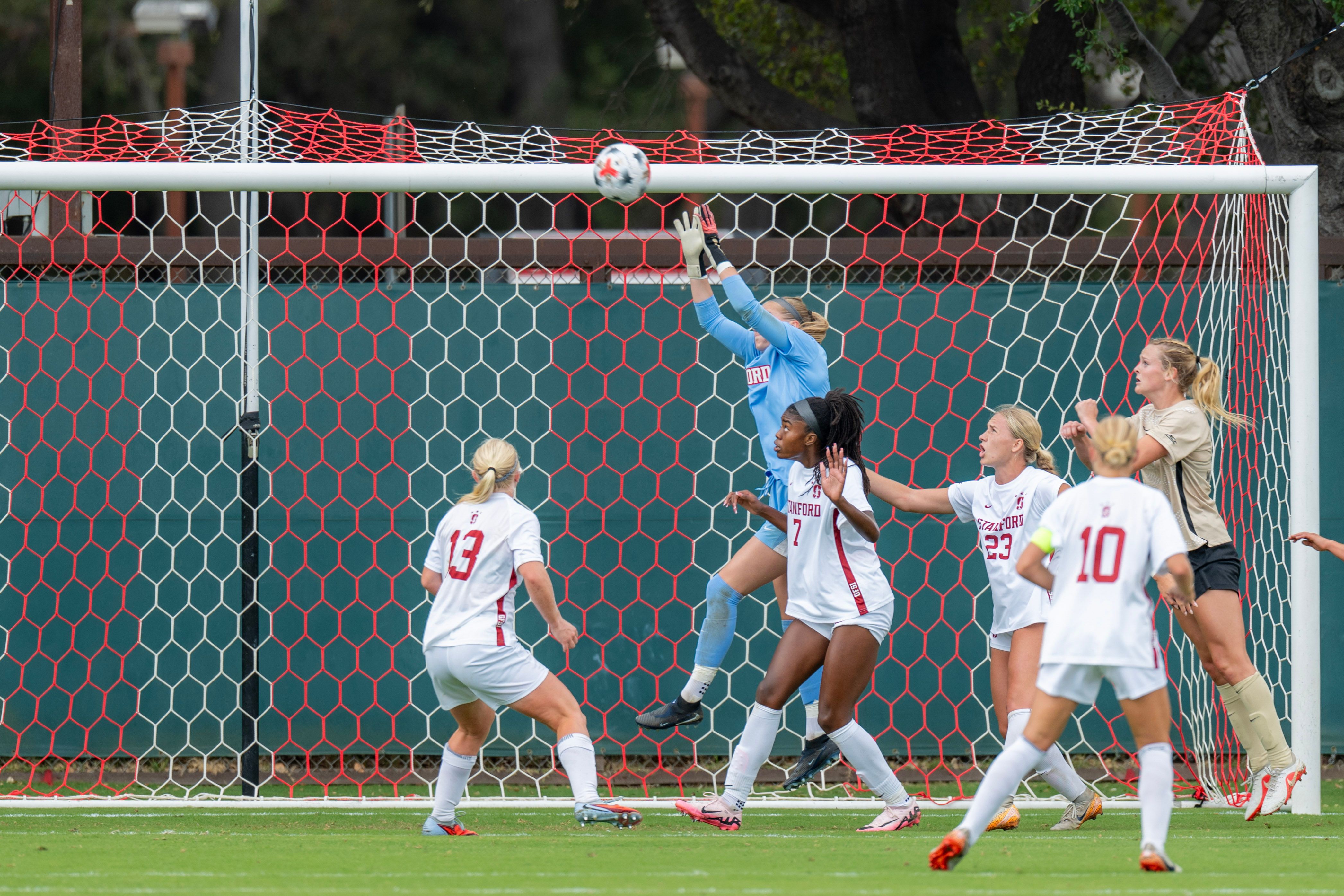
Over time, this made the team look more vulnerable than at any other point in the season. In the final two games before players returned from Poland to Palo Alto, Stanford lost to unranked Louisville and suffered a five-nil defeat to No. 3 overall Duke.
Experiences abroad
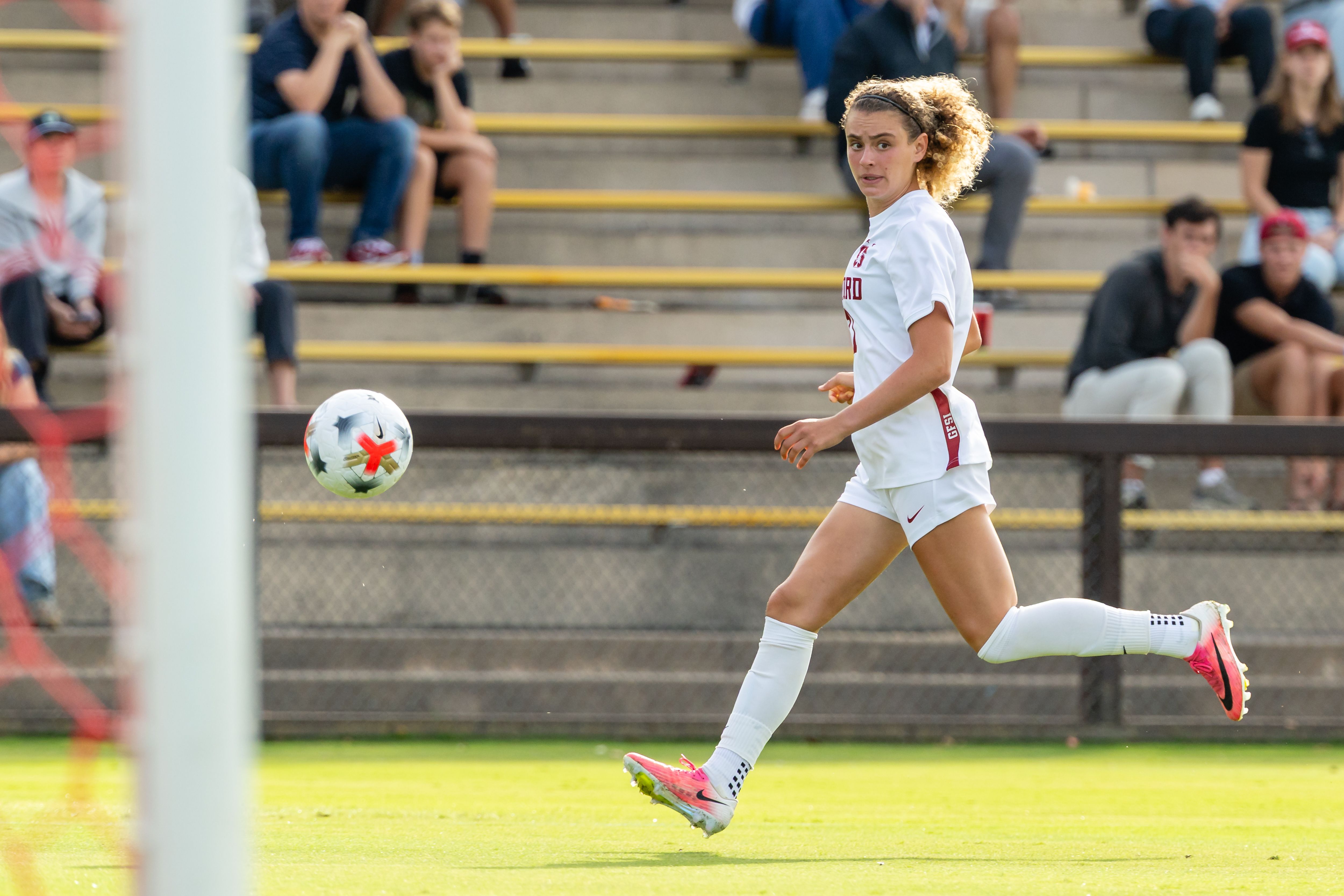
As Stanford’s season progressed through non-conference and into conference play, players like Lizzie Boamah, Caroline Birkel, and Eleanor Klinger were settling into tournament life in Poland. Those experiences taught them valuable lessons they brought back to Stanford.
Klinger, who began her career in the US youth setup, traveled to Poland as a member of an England squad that only gently ribbed her American accent. Despite some excursions through the Polish mountains and to a retro (possibly bootleg) jersey shop, the main event was soccer.
Klinger describes the excitement of an especially nervy game against Canada. After going down late in the game, she emphasizes the mental fortitude needed to stay in the game long enough to equalize and secure an all-important draw in the group stage.
“I think one of the big lessons from tournament soccer is that anybody can win,” Klinger says. “Whoever shows up on the day and has their game is going to come out on top.”
Caroline Birkel, who started all four games in goal for the US women and aspires to one day play for the senior squad, discussed how the tournament posed different challenges for college athletes than the NCAA might.
“I think in college, a lot of schools have their style of play,” says Birkel, “but when you're playing against different countries they'll play different every game depending on the opponent. You have to always be aware and on your toes and be really good at solving the picture you are given.”
She describes how, throughout a game, a team may progress the ball upfield or press on defense in a variety of ways. It forces the team to identify the new approach, communicate, and respond to many different looks over the course of the game. That experience may prove valuable down the stretch for Stanford.
The Stanford players on Team USA featured for the team through many camps in the months before the World Cup. Because of this experience, coach Vicky Jepson pushed them to take on greater leadership roles during the tournament. Lizzie Boamah describes being named captain for one of the camps before the World Cup.
“That was like the greatest honor I’ve ever had,” Boamah says. “[Coach Jepson] told me before ‘I’m expecting you to be a leader’ but I had never worn the captain’s armband playing for the national team. It made me nervous because I haven't even been much of a leader on my Stanford team.”
Birkel also described the leadership skills she developed in the national team setup as something she will bring back to university.
Neither the US, England, nor Ghana – the three teams with representatives from Stanford – made it deep into the knockout stages of the tournament.
Reintegrating with the team
In the first game, after returning from international duties, Birkel, Boamah and their US teammate Y-Lan Nguyen slotted immediately into the starting lineup against Wake Forest. The team got an immediate boost, dispatching the third-ranked team in the country two-nil.
“The Wake Forest game was another turning point for our team,” says Boamah. “Once we all came back together we might have dipped a little bit but I think we're back on an upward trajectory.”
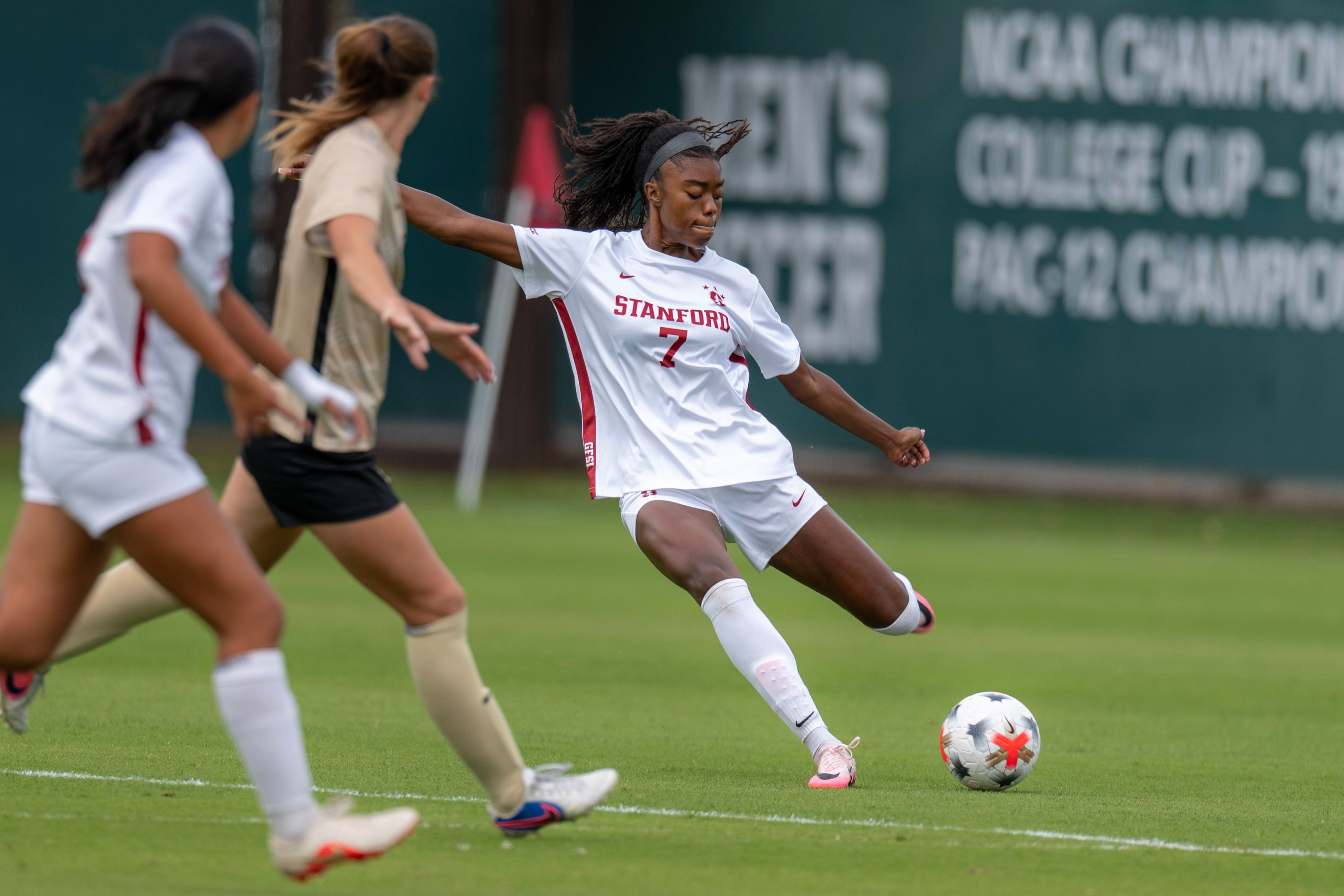
Since their return, Birkel has kept clean sheets in both games played, and Boamah was named ACC defensive player of the week for her performance against Wake Forrest. Still, for players coming back, reacclimatizing isn't just about results on the field. They must readjust to school and training while rebuilding the team cohesion that develops over a season.
“Aside from waking up at 5am for the last few days it's been great,” Klinger says. “I’m just really happy to be back with the team who are obviously my best friends. I don't really feel like I’ve skipped a beat.”
Coach Ratcliffe highlights what a boost it is to see such “incredible competitors” returning to the fold. He can already see the leadership, talent, and intensity they have injected into the team.
For Ratcliffe and his team, that boost is much needed. While the six were away, Stanford dropped to No. 6 in the country. Having matched the number of draws and losses of last season – two – the team will look to steady the ship as conference play progresses.
“It can be disruptive to get the flow going,” Ratcliffe says. “We’ll be a little bit behind some of the other teams in getting that team chemistry right, the partnerships right and building our confidence levels. We still have work to do, but the key thing is peaking at the right time, which will be the NCAA playoffs down at the end.”