Built in Baltimore, Built For Speed, Built to Fly
Sophmore TyTiana Grandy takes us back to where it all started

Before track became her focus, TyTiana Grandy’s foundation as an athlete was shaped in Baltimore’s Canton and Patterson Park area. The park, one of the city’s largest and most historic green spaces, dates back to the 1800s and is often referred to as “The Best Backyard in Baltimore.” It has long served as a central hub for recreation and youth sports.
With courts, fields, and open space in one place, it gave her early access to movement without limits.
“I had access to so many resources; there was always an opportunity to stay active,” she said.

That environment helped her build a broad athletic base early on, exposing her to multiple sports long before she eventually found her path in track.
“Growing up in Baltimore, I’ve seen a lot of change over time,” she said. “Patterson Park offered many opportunities to stay involved in sports like tennis, swimming, and volleyball.”
Grandy didn’t fully commit to track until her junior year of high school, when she began competing in the high jump. That moment marked her shift from general athletic participation to focused development in one event.
“I became serious about track during my junior year when I started competing in high jump,” she said. “After qualifying for nationals and hitting marks that made me a potential Division I athlete, I realized this could take me far.”

While high jump became her primary event, her training expanded as part of a standard approach in track and field. Sprint work is often used by jumpers to build explosiveness, approach speed, and overall performance, since both events rely heavily on power and timing.
“Everyone has to run,” she said. “I’m primarily a jumper, but sprinting has become part of my training and development.”
Morgan State's Website lists Grandy as "Jumps/Sprints", demonstrating her coach's view of her as a sprinter beyond the training track.
Even with that adjustment, her strongest connection is still to the high jump.
High Jump training usually focuses on plyometrics, approach work, box jumps, and drills that build explosiveness and timing, while sprint training is more centered around acceleration, speed, and running mechanics; both rely heavily on power, coordination, and body control.
“High jump feels the most natural to me because that’s what I was recruited for,” she says. “Running gives you only one chance, but jumping allows multiple attempts.”
Grandy’s training is built on repetition and detail, with a focus on plyometrics, short sprints, and event- specific drills that sharpen her approach and takeoff.
But the physical work is only part of the challenge.
“The hardest part is adjusting my mindset and being okay with not being great at something right away,” she said. “Accepting mistakes and growth has been one of the biggest challenges for me”.
Learning to embrace that process has become central to her development as a dual- event athlete.
“I remind myself why I’m here. I want to be great, and that requires discipline,” she said.
Grandy’s development has not only been athletic, but personal. After losing her father during a previous season, she went through a period that affected her academically, athletically, and emotionally.
“My biggest improvement has been my mindset,” she said. “After losing my father, I struggled mentally in academics and life overall”.
Her father played a major role in shaping the way she viewed life growing up. She described him as someone who was always there for her, willing to try new things and make experiences feel memorable, no matter where they were.
“Being with my dad felt like being with Superman,” she said. “It felt like no matter where I was or what I was doing, he always had my back.”
One of her favorite memories with him came during a family trip to Florida, when he chased a small black bear into the woods before eventually coming back with pictures.
“I remember thinking my dad was invincible,” she said. “He was always willing to try new things, eat new foods, and have new experiences.”
She also remembers him attending her track meets and standing off to the side so she would not feel nervous while competing.
Over time, she worked through that experience and rebuilt her focus, using track as structure and motivation.
That process reshaped how she defines herself beyond competition, a mindset that continues to guide her as a sophomore at Morgan State.
Outside of track, Grandy finds ways to reset mentally and express herself beyond athletics.
“I love painting animals and enjoy activities like snorkeling and swimming with sharks,” she says. “It’s a different side of me, people don’t always expect”.
Her interest in marine life once inspired her to consider becoming a marine biologist. In 2023, she participated in shark tagging while recovering from a dislocated ankle, wearing a brace on her right foot.
In 2024, she traveled to Colorado, where she spent time white -water rafting, kayaking, and hiking along riverbanks.
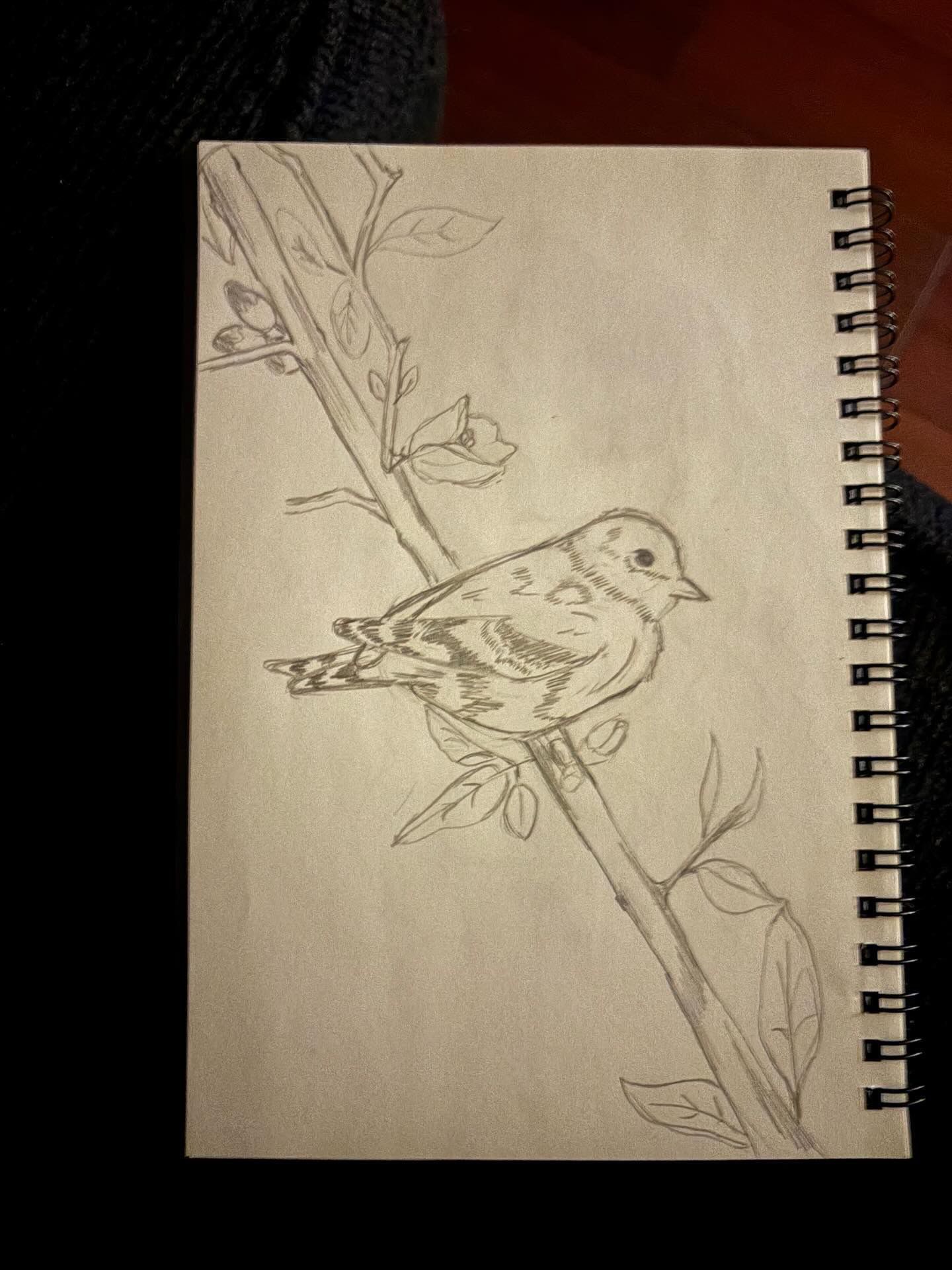
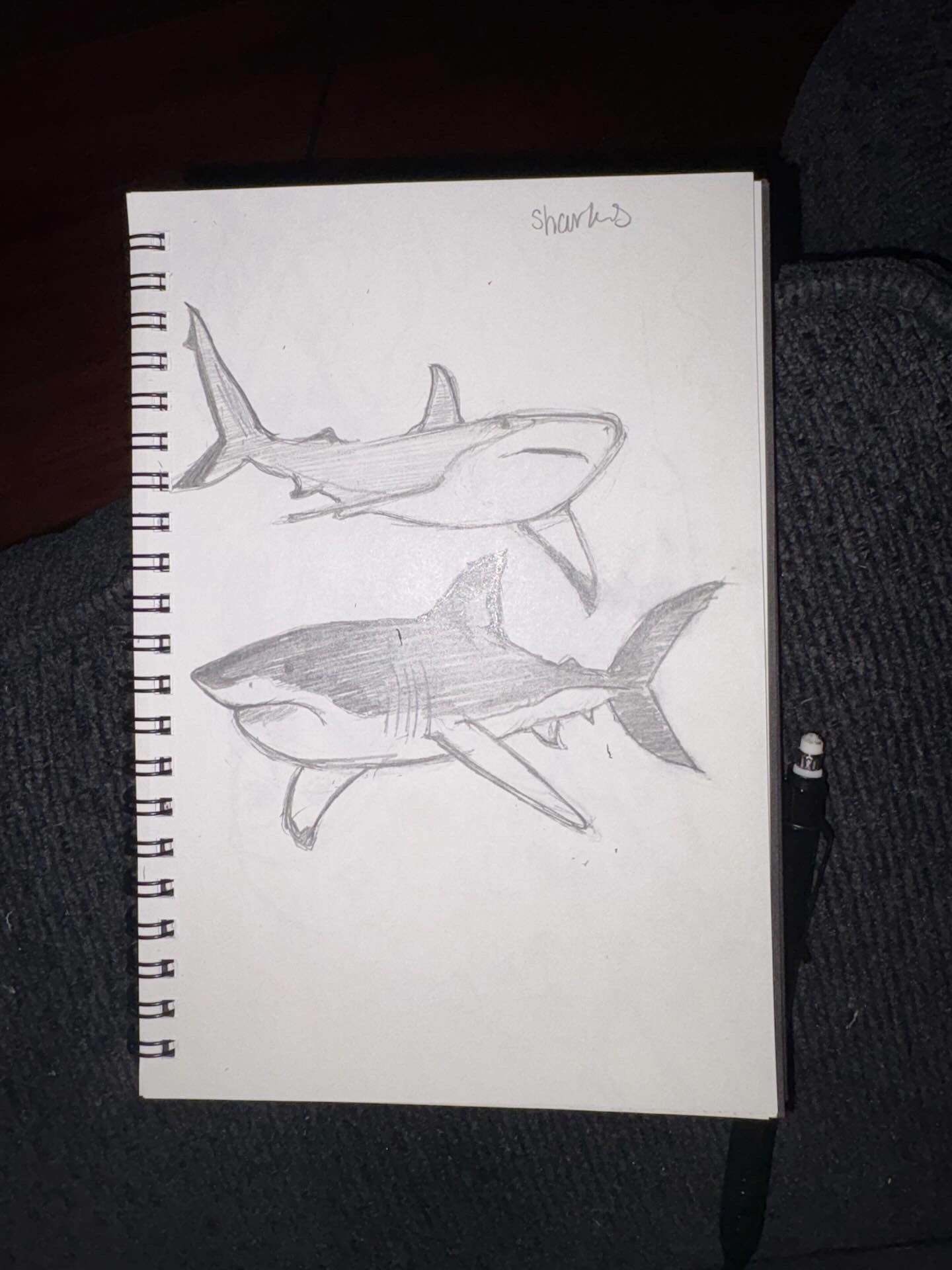
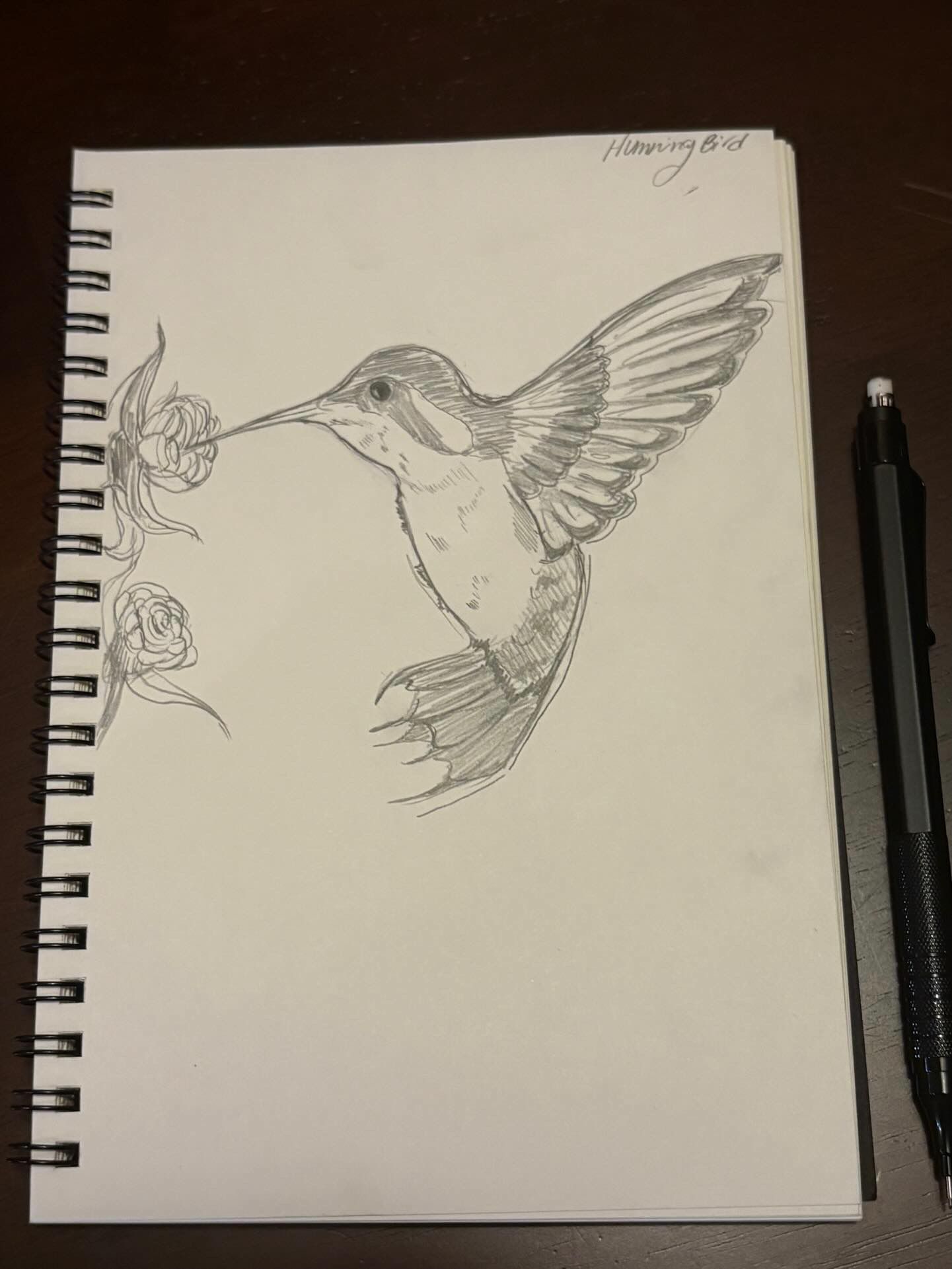
She also shared drawings of birds and sharks, another example of how her interest in animals and marine life extends beyond athletics.
Those experiences reflect another side of Grandy away from competition, one shaped by curiosity, creativity, and a willingness to explore beyond the track.
Before meets, her preparation is simple but intentional, focusing on keeping her mind clear and her body ready.
“I avoid distractions like my phone or watching past performances,” she said. “I make sure to complete an intense warm-up to feel fully prepared.”
From Baltimore’s park to collegiate competition, TyTiana Grandy’s journey reflects steady growth shaped by environment, discipline, and resilience, continuing to develop as both a jumper and sprinter while building an identity that extends beyond her sport.
Her story is still unfolding, but it is already rooted in the same city that helped shape her beginning.
“I want people to see me for who I am right now,” she said. “Not just my sport, not just my accomplishments, and not just what I’ve been through, I’m more than all of that.”